
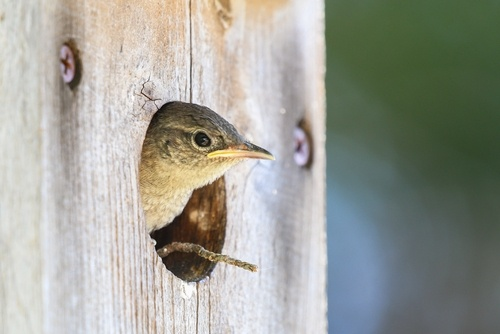
For many of us, feeding garden birds is one of life’s simple pleasures. However, the RSPB has recently updated its guidance on feeding garden birds, following growing concerns about the spread of disease among some much-loved species, particularly greenfinches, whose numbers have fallen dramatically in recent decades.
The good news? We can still support garden birds brilliantly with a few simple seasonal changes.
Why Has the Advice Changed?
Research highlighted by the RSPB shows that diseases such as trichomonosis can spread more easily where birds gather closely together at feeders. Species including greenfinches have been especially affected, with populations dropping by more than 65% over the last 30 years.
Rather than stopping feeding altogether, the new guidance encourages gardeners to:
- Feed seasonally
- Feed safely
- Support natural food sources
It’s all about reducing disease risk while continuing to help wildlife thrive.
The New Seasonal Feeding Advice
From 1 May to 31 October
The RSPB now recommends pausing the use of feeders filled with:
- Seeds
- Peanuts
We will take these items off our shelves in May and they will return in October. During these warmer months, birds have access to more natural foods such as insects, berries and seeds from plants. This is also the period when disease spreads more easily at crowded feeders.
You can still offer:
- Small amounts of mealworms
- Fat balls
- Suet products
These bird foods provide valuable nutrition without encouraging large numbers of birds to gather around seed feeders.
From 1 November to 30 April
Birds need extra energy during colder weather, so traditional feeding can continue during autumn and winter, including:
- Seed mixes
- Sunflower hearts
- Peanuts
- Suet and fat-based foods
- Keeping Bird Feeders Safe
The updated guidance places a strong emphasis on hygiene. Clean feeders are now more important than ever.
The RSPB recommends:
- Cleaning feeders and bird baths at least weekly
- Moving feeders regularly to prevent debris building up underneath
- Removing old food and droppings
- Keeping food dry wherever possible
- Changing bird bath water daily
- Feeding only small amounts that birds will eat within a day or two
One of the biggest changes is the advice to avoid feeders with flat surfaces, including:
- Bird tables
- Window feeders
- Tray feeders
Research suggests these surfaces can allow contaminated food and droppings to collect more easily, increasing the risk of disease transmission.
The Best Way to Help Birds? Create a Wildlife-Friendly Garden
While feeders can still play a role, the RSPB says one of the most effective long-term ways to support birds is by helping them find natural food sources.
That’s where wildlife-friendly planting comes in.
Gardens filled with nectar-rich flowers, seed heads, shrubs and insect-friendly plants provide birds with:
- Natural food
- Shelter
- Nesting materials
- Safe feeding opportunities
Some excellent bird-friendly plants include:
- Sunflowers
- Teasels
- Ivy
- Native hedging
- Berry-producing shrubs
Insect-friendly planting is especially important during spring and summer, when parent birds rely heavily on insects to feed their chicks.
You can find lots of wildlife-friendly plants in our Garden Centre and in our wildflower market at The Growing Nursery.
Small Changes Can Make a Big Difference
The updated guidance may feel like a change in habit for many gardeners, but the overall message is positive: we can continue helping birds by feeding thoughtfully and creating healthier garden habitats.
By combining careful feeder hygiene with wildlife-friendly planting, we can all play a part in protecting Britain’s garden birds for generations to come.
At Beetham Nurseries, we believe gardens should be beautiful spaces for both people and wildlife, and even small changes can make a meaningful difference. Whether you’re planting for pollinators, adding berry-rich shrubs, or creating natural shelter for birds, every wildlife-friendly garden helps support local biodiversity.