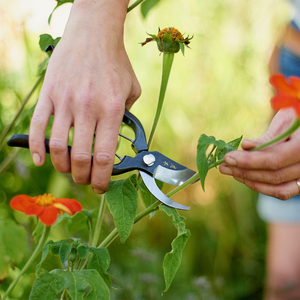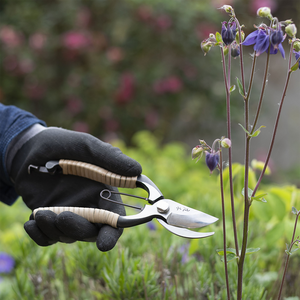


February 28th marks the last day of meteorological winter, making it the perfect deadline to prune your roses and wisteria. By taking the time to prune now, you set the stage for healthy growth and an abundance of buds in the spring.
Why Pruning Matters
Pruning is essential for maintaining the health and beauty of your plants. By removing dead or overgrown branches, you improve air circulation and encourage new growth. For roses and wisteria, this helps them produce stronger and more vibrant flowers once the weather warms up.
Timing is Everything
Pruning during the dormant season ensures that your plants focus their energy on new growth when spring arrives. Waiting too long can result in weak, leggy stems and fewer flowers. By pruning before the end of February, you give your roses and wisteria the best possible start for the growing season ahead.
How to Prune Your Roses and Wisteria
Roses:
- Remove any dead, damaged, or diseased stems.
- Cut back old growth to encourage fresh, strong shoots.
- Shape the plant to maintain an open, airy structure.
Wisteria:
- Trim back long, wandering shoots to maintain the plant’s shape.
- Cut back side shoots to encourage flower production.
- Remove any dead or weak branches to promote healthy growth.
David Austin Rose Pruning
Pruning helps the plant support its blooms and control disease. Remove dead, diseased, and weak stems to encourage new growth.
When to Prune
- Winter: Prune before the dormant period ends
- Spring: Feed, mulch and water well
- Summer: Deadhead after flowering to encourage more blooms
- Autumn: Remove dead flower heads and prune any dead stems to get them ready for dormancy
How to Prune
- Remove dead, diseased, damaged, or crossing stems
- Cut back stems by one-third to maintain height, or by half to reduce size
- Prune with a diagonal cut above an outward-facing leaf bud
- Remove all foliage and clear ground
- Thin congested branches to allow better airflow
Tips
- Use a stake as a guide to prune to the desired length
- Angle cuts to face downwards so that water doesn't sit on the bud
- Remove dead stems at the base until you see live wood
- Dispose of pruned stems and foliage in a green bin
Final Tips for a Flourishing Garden
After pruning, be sure to clean up any fallen leaves or debris to prevent disease. Consider adding a layer of mulch around your plants to protect them from temperature fluctuations and provide essential nutrients.
By taking the time to prune before winter ends, you're setting your garden up for a season full of lush foliage and vibrant flowers. So grab your pruning shears and give your plants the care they deserve—your spring garden will thank you!